Research Projects
Exploring how educational technology can empower diverse learners — from gamified reading assessments to AI-powered conversational agents for STEM learning.
Exploring how educational technology can empower diverse learners — from gamified reading assessments to AI-powered conversational agents for STEM learning.

Children thrive when learning through conversation. This research project integrates AI conversational agents into educational programming to support children’s STEM learning. Our initial work focused on Elinor Wonders Why, and we are now expanding this approach with Lyla in the Loop, exploring its impact in both the lab and home.
Project Website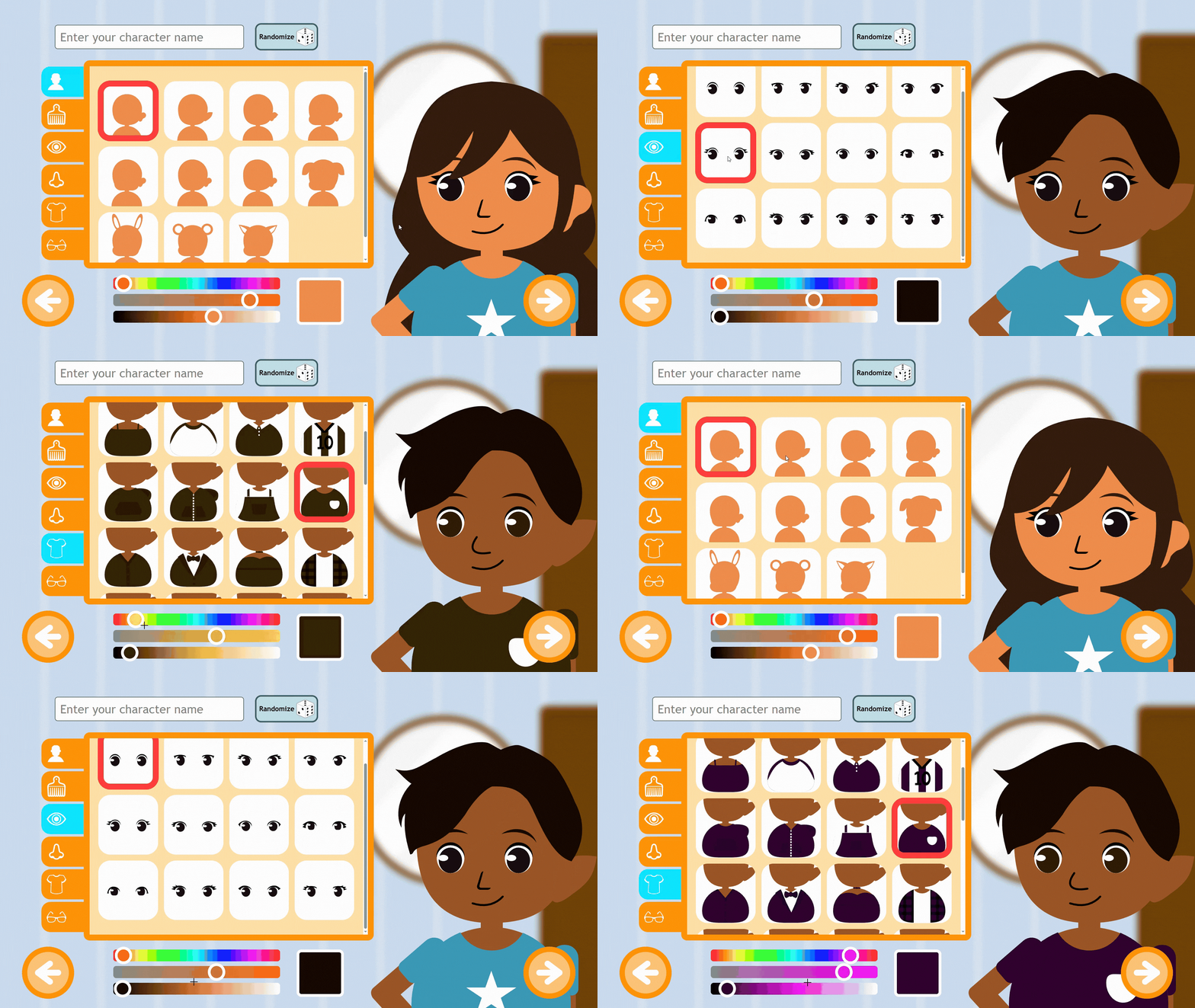
Much is still unknown on how to design appropriate AI agents for young children. I designed and programmed a web-based, AI conversational agent to explore how visual embodiment influences children’s dialogue and learning. I examined how text-based, avatar-based, and customizable agents influenced engagement and response patterns. This work was submitted to IDC 2026 as a short paper.
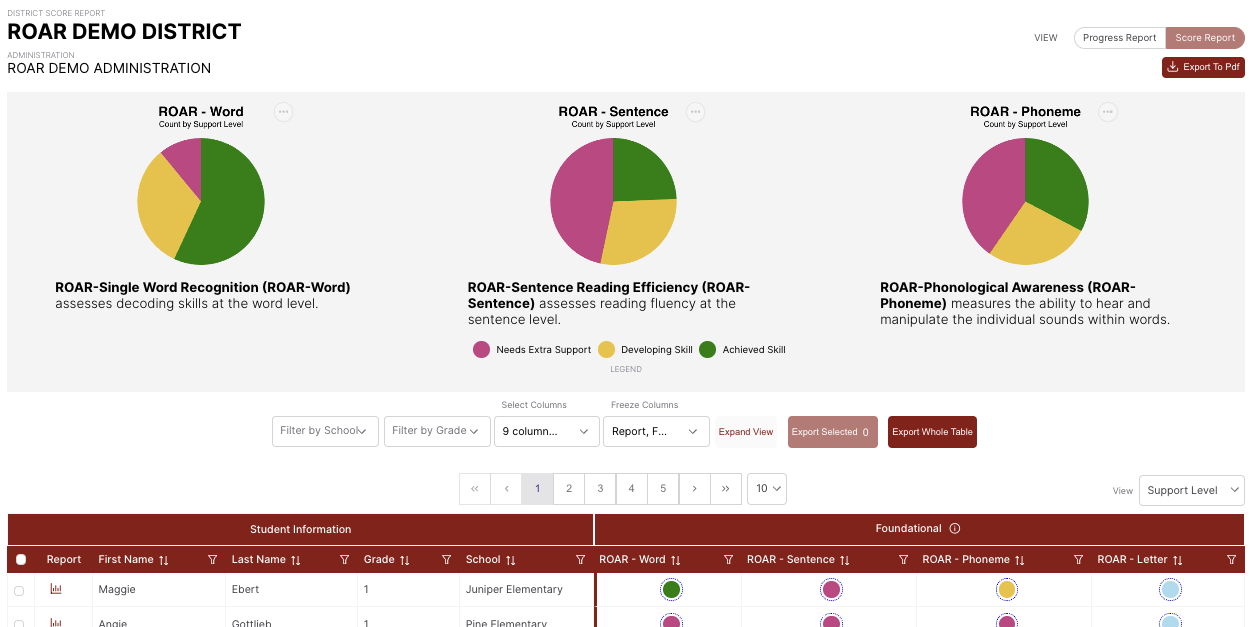
The Rapid Online Assessments of Reading (ROAR) is a an open-access, online platform of foundational reading assessments that is led by Stanford University. I programmed gamified reading assessments, coordinated research-practice partnerships with school, and analyzed data to support platform development. I also created the project logo, website, and many of the app assets!
Project Website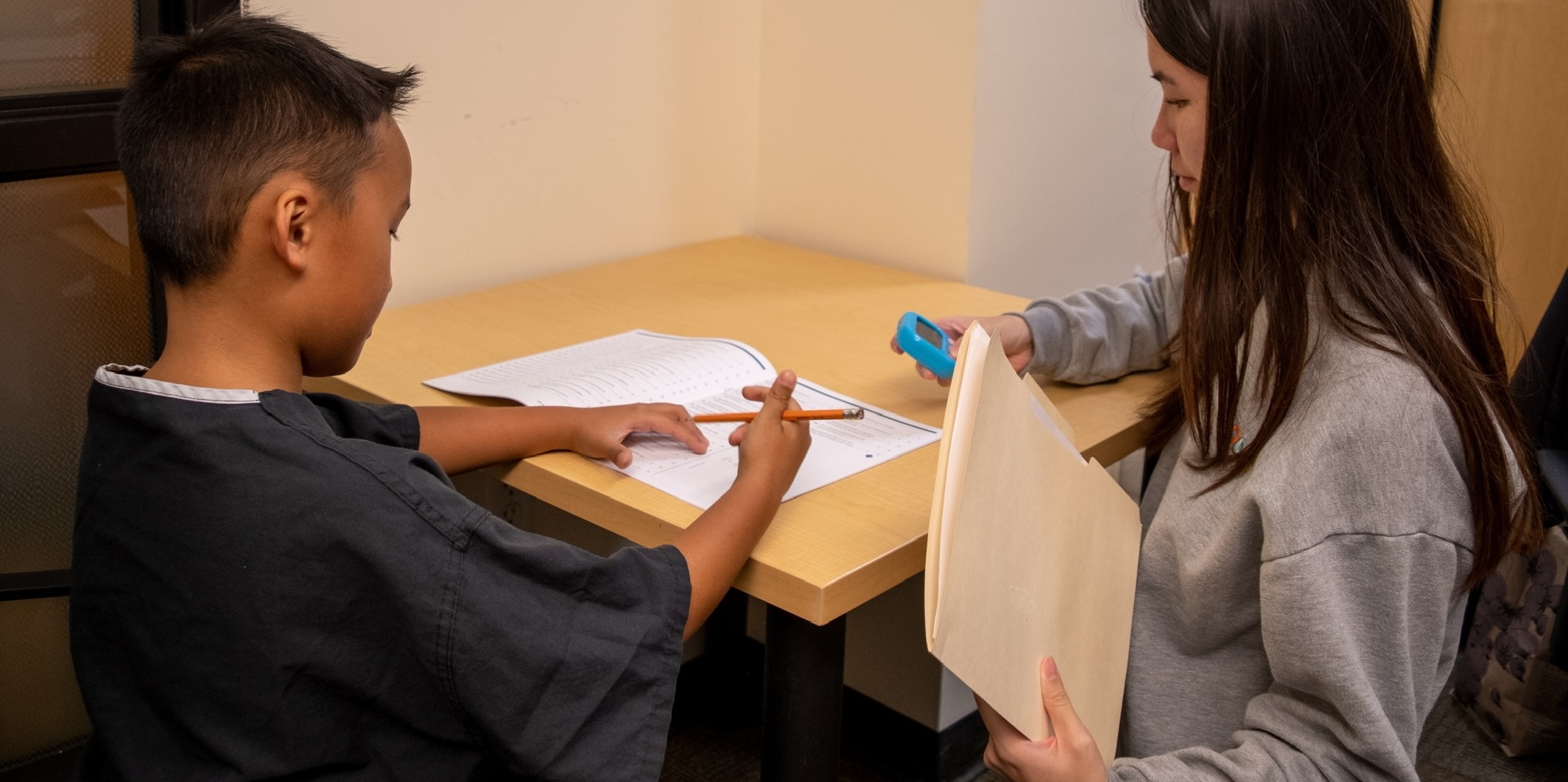
A longitudinal neuroimaging study was conducted in collaboration with Lindamood-Bell to examine how children’s brains change following intensive reading intervention. This was my first research experience where I was able to observe how atypical readers engaged with educational technology. Although my current focus has shifted away from neuroscience, this work provided a valuable perspective on the lived realities of diverse learners.
Project Website